
Explore Your Custom Framing Options
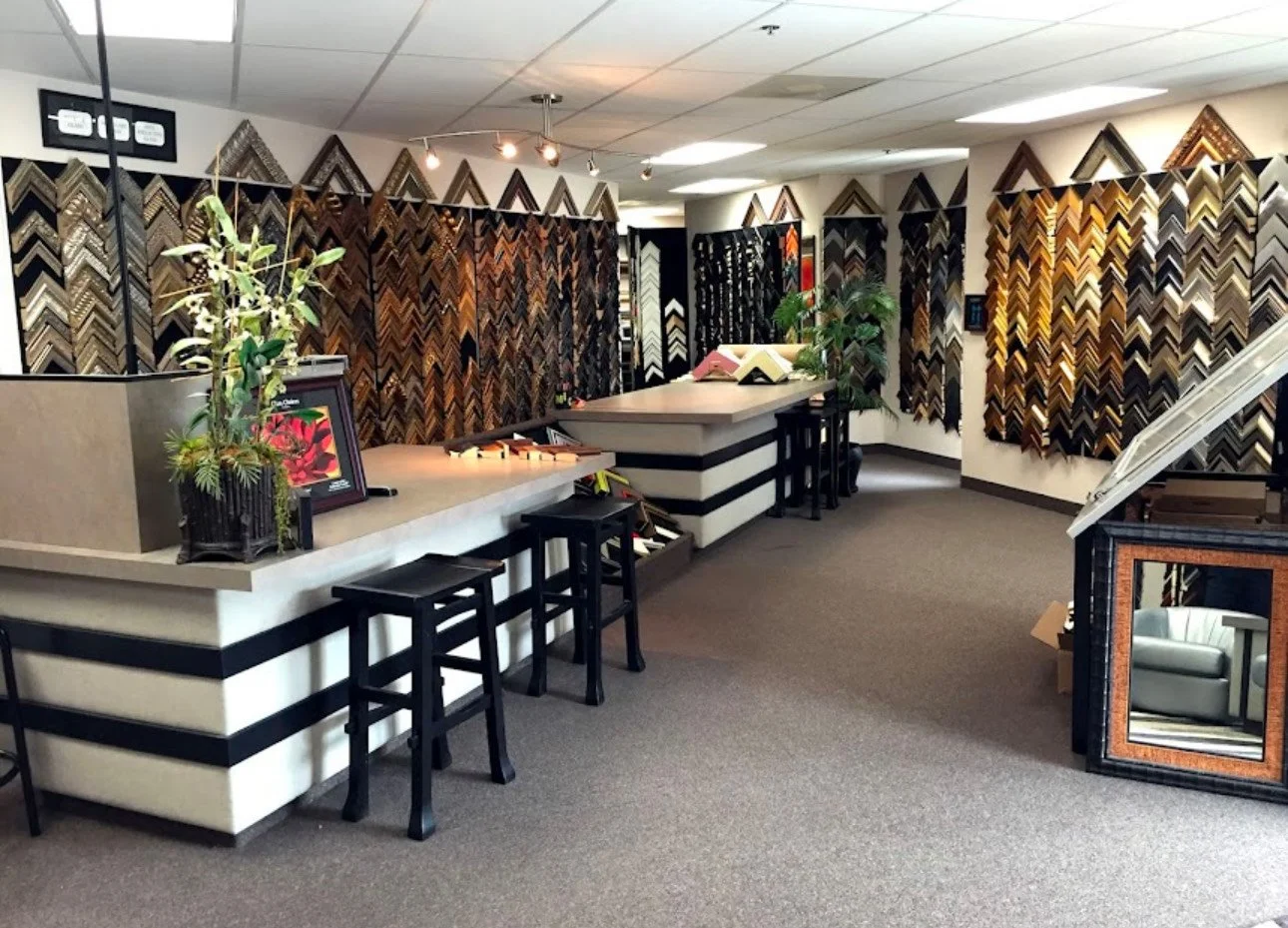
Floater Frames for Canvas

Floating frames for a clean, contemporary presentation
A floater frame is a type of frame designed specifically for stretched canvas artwork where the painting sits slightly inside the frame instead of being covered by it.
The canvas is mounted so there’s a small gap—usually about 1/4 inch—between the edge of the artwork and the inside edge of the frame. This creates the effect that the artwork is “floating” within the frame, which is where the name comes from.
Because the edges of the canvas remain visible, floater frames are especially popular for original paintings. They give a clean, modern presentation while still providing structure and protection. They also don’t overlap or hide any of the artwork, unlike traditional frames with mats or glazing.
In short: a floater frame highlights the entire canvas, giving it a gallery-style look with a bit of space around the artwork for emphasis.
Traditional Style Frames for Canvas

A traditional framed canvas with liner and fillet is a layered framing style that adds depth, detail, and a refined, gallery-quality presentation.
The fillet is the small inner decorative frame that sits closest to the canvas. It lightly touches or sits just inside the edge of the artwork, creating a fine border that visually separates the image from the rest of the frame.
Next is the fabric liner, typically linen or a similar textile. This is the middle layer that surrounds the canvas and adds a soft, elegant transition between the artwork and the outer frame. Liners can be simple or textured depending on the design.
Finally, the outer moulding is the main frame that surrounds the entire piece. It provides structure, weight, and the finished look, tying all the layers together.
This multi-layer approach creates a more dimensional, museum-style presentation compared to a single frame, and is often used for fine art to enhance both presence and visual impact.
This layered framing style—featuring a fillet, fabric liner (often linen), and an outer moulding—has its roots in European fine art traditions from the 18th through early 20th centuries. It developed alongside classical painting and portraiture in countries such as France, Italy, and England, where presentation was considered an essential part of the artwork itself.
By the 19th century, this approach became especially common in academies, salons, and early museum collections. The layered construction helped create visual depth, separate the artwork from the wall, and elevate its presence within formal exhibition spaces.
Today, it is often referred to as museum-style framing and remains a hallmark of fine art presentation.
Fun fact: In many historic European galleries, frames were considered so important that they were sometimes designed and commissioned separately from the artwork itself—treated as their own work of decorative art.
Archival Matting For Works on Paper
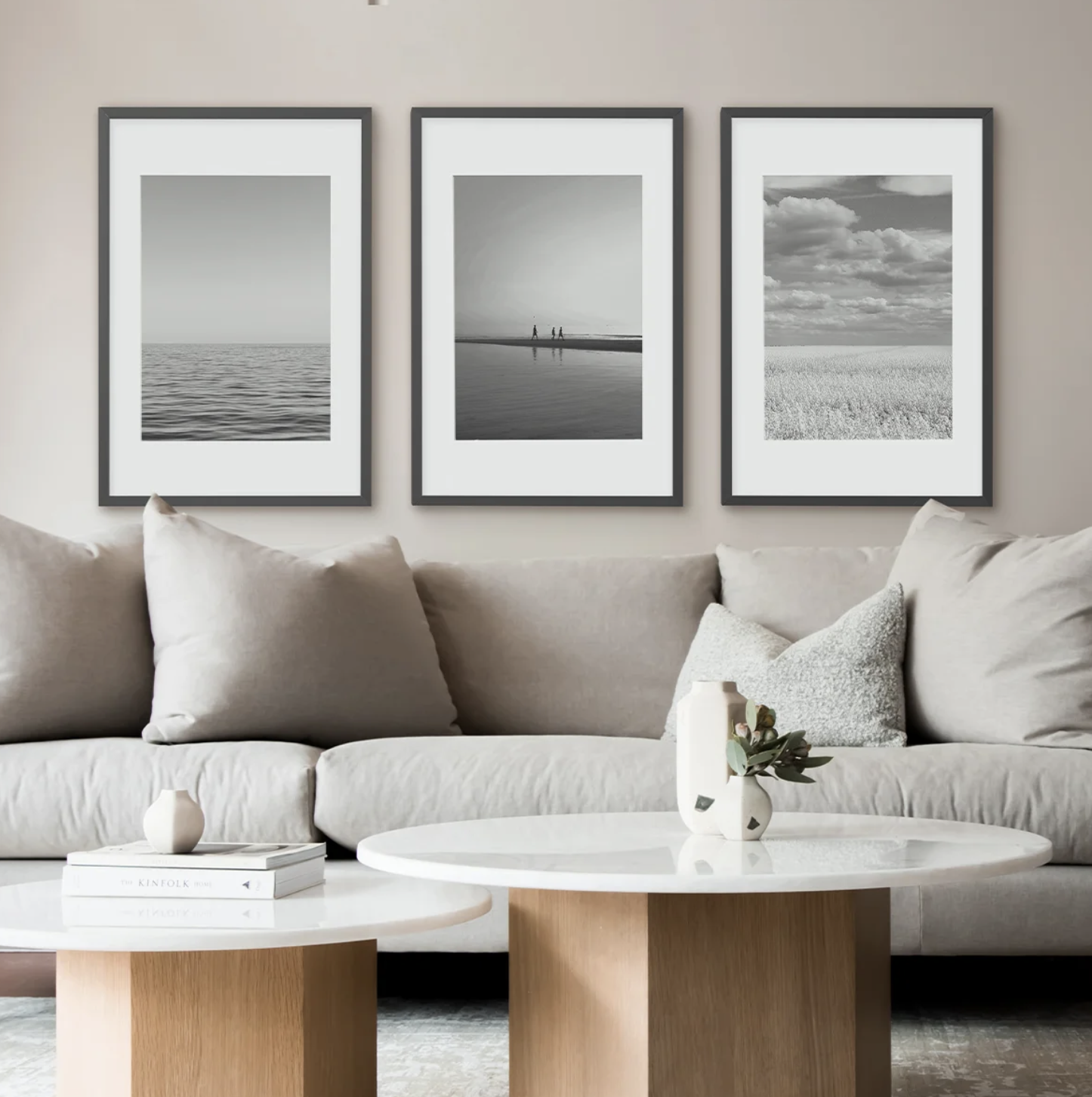
Matting does more than enhance the appearance of your artwork—it plays a vital role in its preservation. A properly sized mat creates a protective space between the artwork and the glazing (glass or acrylic), preventing direct contact that can lead to moisture buildup, sticking, or damage over time.

We use only acid-free, lignin-free archival mat boards to help prevent yellowing, discoloration, and deterioration. For the highest level of protection, we also offer Bainbridge Artcare® matting, which features patented MicroChamber® technology that helps trap harmful acids and airborne pollutants before they can damage your artwork.

Whether you're framing photographs, fine art prints, certificates, or treasured documents, archival matting helps create the safest environment for long-term preservation while beautifully enhancing the presentation of your piece.
Fun fact: Museums and conservation professionals almost always use archival mats because keeping artwork separated from the glazing is one of the simplest and most effective ways to help preserve it for generations.
Archival Matting For Works on Paper

-
Flexible, expert advice when you need it. Book hourly support across a range of topics—from planning to problem-solving. This focused consultation will help clarify your goals, map out next steps, and identify opportunities for growth.
-
Flexible, expert advice when you need it. Book hourly support across a range of topics—from planning to problem-solving. This focused consultation will help clarify your goals, map out next steps, and identify opportunities for growth.
-
Flexible, expert advice when you need it. Book hourly support across a range of topics—from planning to problem-solving. This focused consultation will help clarify your goals, map out next steps, and identify opportunities for growth.
Advanced Service
-
Flexible, expert advice when you need it. Book hourly support across a range of topics—from planning to problem-solving. This focused consultation will help clarify your goals, map out next steps, and identify opportunities for growth.
-
Flexible, expert advice when you need it. Book hourly support across a range of topics—from planning to problem-solving. This focused consultation will help clarify your goals, map out next steps, and identify opportunities for growth.
-
Flexible, expert advice when you need it. Book hourly support across a range of topics—from planning to problem-solving. This focused consultation will help clarify your goals, map out next steps, and identify opportunities for growth.
Recommended“Their attention to detail and commitment to quality truly stood out. We’ve already recommended them to others.”
– Former Customer
Get In Touch
If you're interested in working with us, complete the form with a few details about your project. We'll review your message and get back to you within 48 hours.